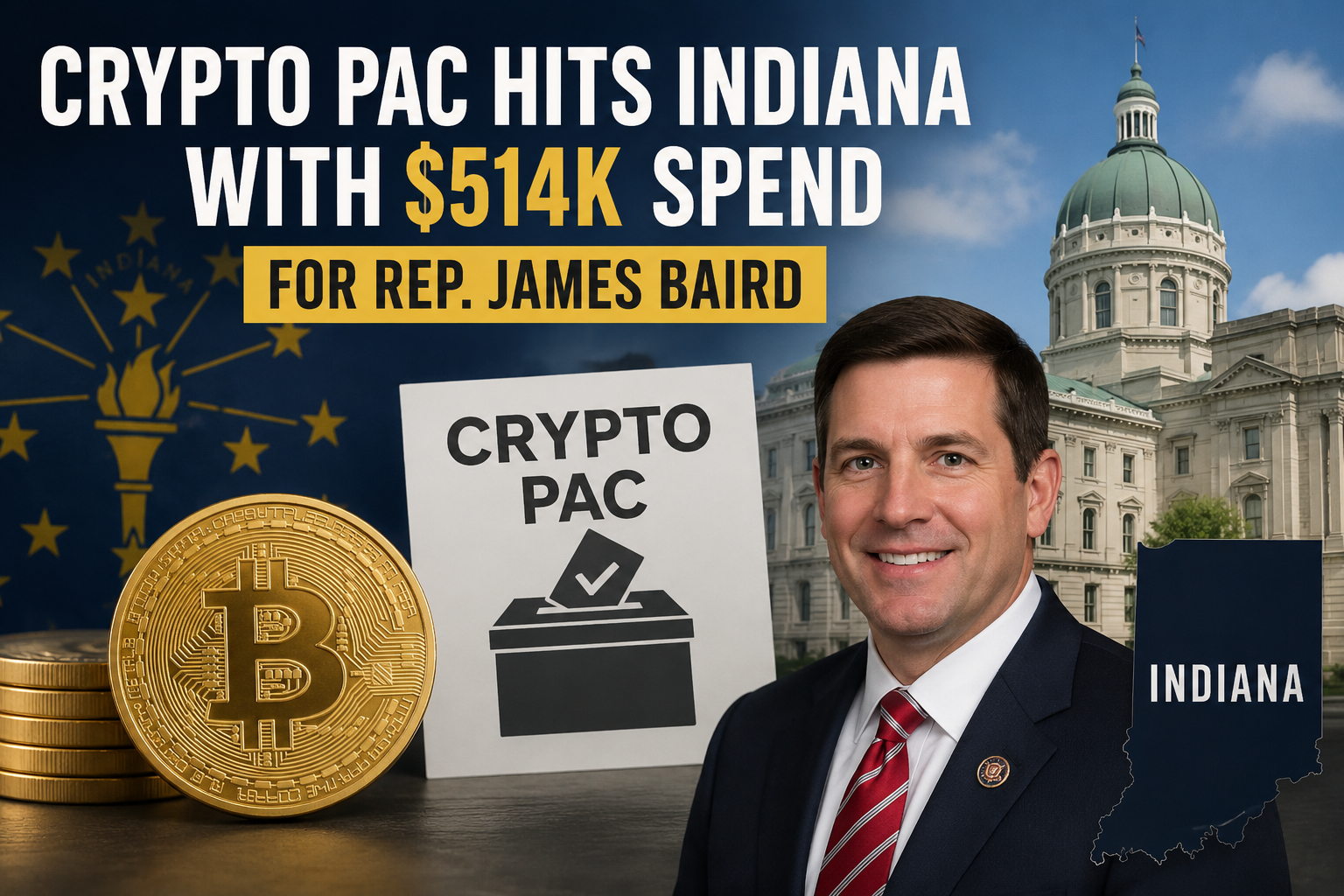
The relationship between politics and digital finance is evolving quickly. Recently, a major development in Indiana highlighted this shift. A crypto PAC invested $514,000 to support Representative James Baird. This move signals the growing political power of the cryptocurrency industry.
As cryptocurrencies gain mainstream traction, industry players are becoming more politically active. They are no longer focused only on markets or innovation. Instead, they are now influencing policy and elections. This shift reflects a broader strategy to shape favorable regulations.
Moreover, the Indiana race shows how targeted funding can impact local elections. It also demonstrates how crypto-backed groups are working to influence national policy through regional campaigns. As a result, this case represents a larger trend in U.S. politics.
The Rise of Crypto PACs in U.S. Politics
In recent years, crypto PACs have gained significant influence in American politics. These groups collect funds from individuals and companies within the cryptocurrency space. Then, they use that capital to support candidates who favor blockchain-friendly policies.
Unlike traditional industries, the crypto sector faces constant regulatory uncertainty. Therefore, it must act proactively. By supporting candidates like James Baird, these PACs aim to promote innovation-friendly laws.
Additionally, crypto PACs are shifting their strategy. Instead of focusing only on national elections, they now target key local races. This approach allows them to build stronger relationships with lawmakers. Over time, these relationships can influence critical legislative decisions.
As a result, digital asset advocacy is becoming more structured and strategic. This trend is expected to grow as the industry expands.
Why Indiana? Strategic Importance of the Race
Indiana may not be the first state that comes to mind when discussing cryptocurrency innovation, but it holds strategic significance in the current political climate. The decision to invest $514K in support of Rep. James Baird reflects a calculated effort by the crypto PAC to influence a race where the outcome could have broader implications for national policy.
Representative Baird has been seen as a candidate open to blockchain-friendly policies and supportive of technological innovation. By backing him, the crypto PAC is not just supporting an individual but also promoting a policy agenda that aligns with the interests of the digital asset industry. This includes clearer regulatory frameworks, support for decentralized finance (DeFi), and a balanced approach to oversight.
The Indiana race also demonstrates how crypto election funding is being used to amplify voices that might otherwise struggle to compete with more traditional political donors. In a political environment where campaign financing plays a crucial role, the injection of $514K can significantly enhance a candidate’s visibility and outreach efforts.
The Role of Rep. James Baird in Crypto Policy
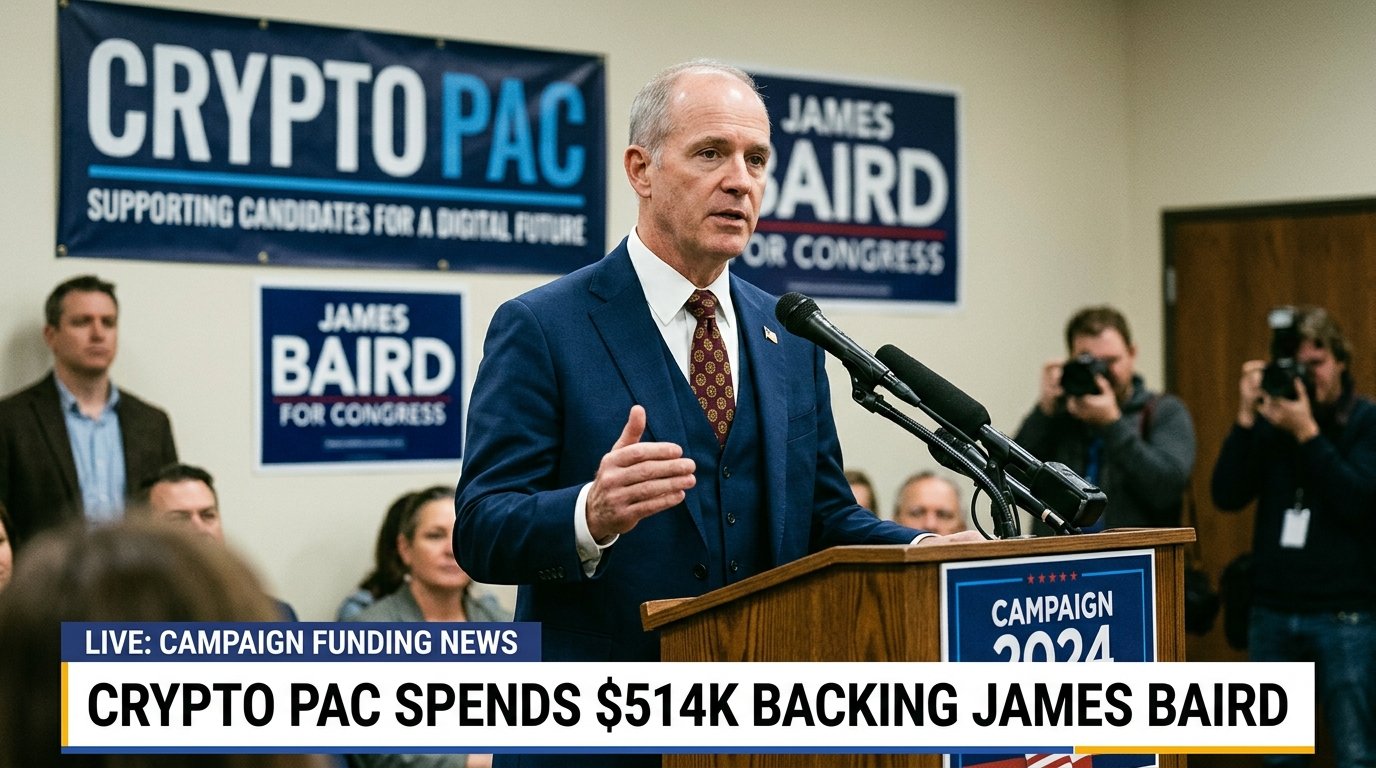
Rep. James Baird’s growing prominence in discussions around cryptocurrency regulation has made him an attractive candidate for crypto PAC support. While not exclusively a “crypto candidate,” his openness to innovation and economic growth aligns with the goals of the digital asset sector.
Baird’s policy positions suggest a willingness to explore how blockchain technology can benefit various industries, from finance to supply chain management. This pragmatic approach resonates with crypto advocates who are seeking policymakers capable of balancing innovation with consumer protection. By supporting Baird, the crypto PAC is effectively endorsing a vision of responsible crypto regulation that encourages growth while addressing potential risks.
Furthermore, Baird’s influence within congressional committees could prove valuable in shaping future legislation. As debates around cryptocurrency intensify, having allies in key positions will be critical for the industry. The $514K investment can thus be seen as a long-term strategy aimed at building a supportive legislative environment.
How Crypto PAC Spending Impacts Elections
The impact of crypto PAC spending on elections extends beyond simple financial support. These contributions often come with strategic campaign efforts, including targeted advertising, voter outreach, and messaging that emphasizes the importance of digital innovation.
In the case of Indiana, the $514K spend is likely being used to highlight Baird’s alignment with forward-thinking policies. This includes promoting his stance on technology, economic development, and regulatory clarity. Such messaging not only benefits the candidate but also raises awareness among voters about the role of cryptocurrency in the modern economy.
Moreover, crypto PACs bring a unique perspective to political campaigns. Unlike traditional donors, they are often driven by a specific set of policy goals rather than broad ideological affiliations. This focus allows them to craft highly targeted campaigns that resonate with both tech-savvy voters and those interested in economic growth.
The increasing presence of crypto PACs also introduces a new dynamic to campaign financing. As more candidates receive support from these organizations, the influence of the digital asset industry is likely to grow, potentially reshaping the priorities of policymakers across the country.
The Broader Implications for Crypto Regulation
The $514K investment in Indiana is not an isolated ঘটনা but part of a larger trend that could significantly impact the future of cryptocurrency regulation in the United States. As crypto PACs continue to support pro-innovation candidates, the likelihood of favorable legislation increases.
One of the key goals of these efforts is to establish a clear and consistent regulatory framework. Currently, the U.S. crypto landscape is characterized by overlapping jurisdictions and uncertain guidelines. By influencing elections, crypto PACs aim to create a more predictable environment that encourages investment and innovation.
This push for clarity is particularly important as the global competition for blockchain leadership intensifies. Countries around the world are developing their own regulatory approaches, and the United States risks falling behind if it fails to provide a supportive environment for digital assets. The involvement of crypto PACs in elections like Indiana’s reflects a recognition of this urgency.
At the same time, increased political involvement also raises questions about accountability and transparency. As the influence of the crypto industry grows, there will be greater scrutiny of how these funds are used and what impact they have on policymaking. Balancing innovation with ethical considerations will be essential for maintaining public trust.
The Future of Political Funding in the Crypto Era
The Indiana race offers a glimpse into the future of political funding in the age of digital assets. As cryptocurrencies become more integrated into the global economy, their influence on politics is likely to expand.
One potential development is the increased use of blockchain technology in campaign financing itself. This could include transparent donation tracking, decentralized funding platforms, and new ways of engaging with voters. Such innovations have the potential to transform how campaigns are conducted, making them more accessible and accountable.
Additionally, the success of crypto PACs in influencing elections could inspire other emerging industries to adopt similar strategies. This could lead to a more diverse and dynamic political landscape, where a wider range of voices and interests are represented.
However, this evolution also comes with challenges. Ensuring that political funding remains transparent and free from undue influence will be critical. As crypto PACs continue to grow, regulators and policymakers will need to address these concerns while preserving the benefits of increased participation.
Conclusion
The $514K spend by a crypto PAC in support of Rep. James Baird represents a significant milestone in the convergence of cryptocurrency and politics. It highlights the growing influence of digital asset advocates and their determination to shape the regulatory landscape in the United States. By targeting key races like Indiana’s, crypto PACs are not only supporting individual candidates but also advancing a broader agenda focused on innovation, clarity, and economic growth.
As this trend continues, the impact of crypto PACs on elections and policymaking is likely to become even more pronounced. The Indiana race serves as a clear example of how the digital asset industry is stepping into the political arena, signaling a new era where technology and governance are increasingly interconnected.
FAQs
Q. What is a crypto PAC?
A crypto PAC is a political action committee that raises and spends money to support candidates who favor cryptocurrency-friendly policies and blockchain innovation.
Q. Why did the crypto PAC spend $514K in Indiana?
The investment was made to support Rep. James Baird, who is seen as aligned with pro-innovation and blockchain-friendly policies.
Q. How does crypto PAC funding influence elections?
It boosts campaign visibility, supports targeted messaging, and helps candidates compete more effectively by funding advertising and outreach efforts.
Q. What does this mean for cryptocurrency regulation?
It suggests that the crypto industry is actively working to influence legislation, aiming for clearer and more supportive regulatory frameworks.
Q. Will crypto PACs continue to grow in influence?
Yes, as the cryptocurrency industry expands, crypto PACs are likely to play an increasingly important role in shaping political and regulatory outcomes.
Leave a Reply