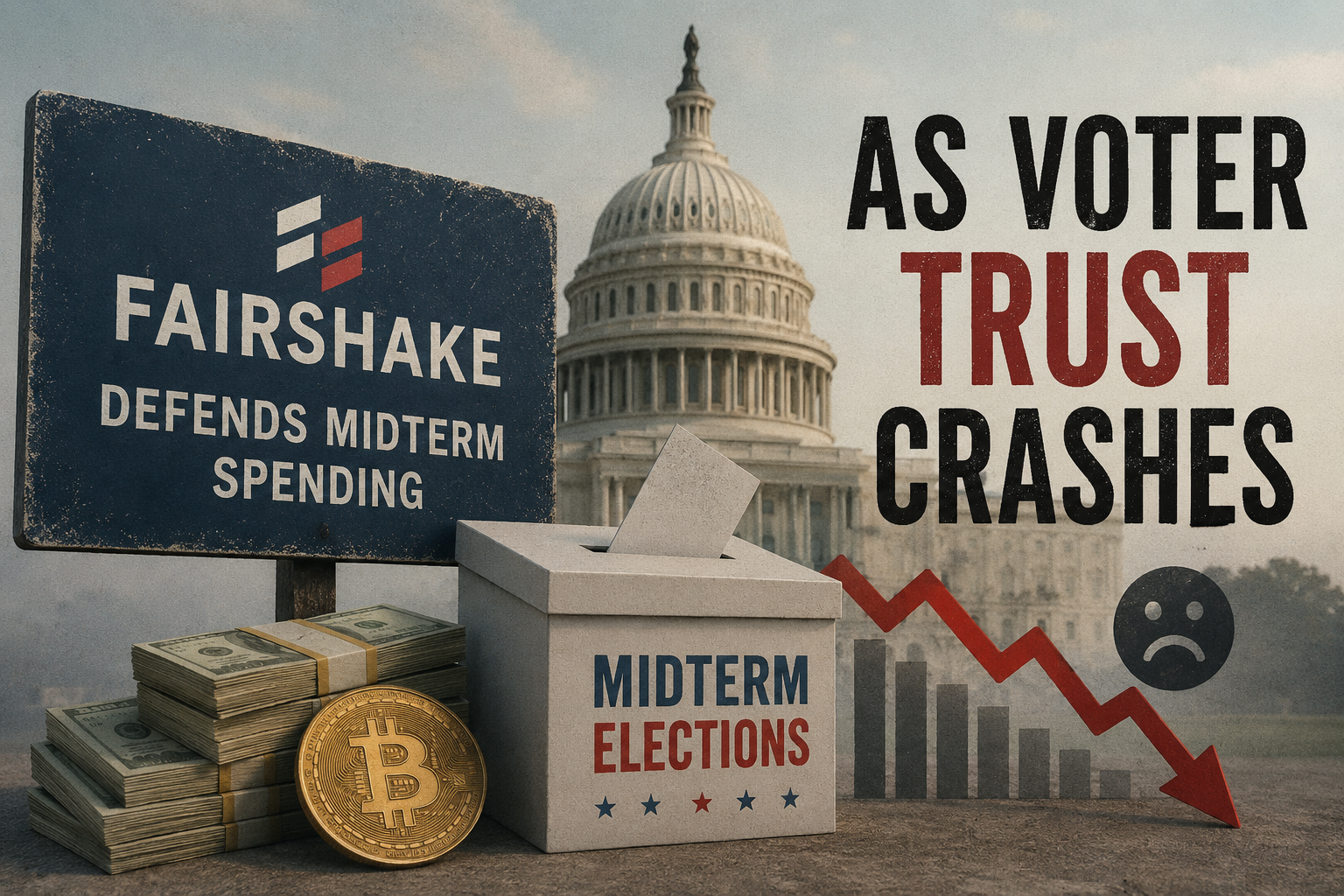
The growing influence of crypto money in American politics has become one of the most controversial stories of the 2026 election cycle. At the center of the debate stands Fairshake, a powerful crypto-backed super PAC that continues to pour millions of dollars into congressional races despite rising public skepticism toward digital assets and artificial intelligence. Recent polls reveal that voter trust in crypto remains weak, yet Fairshake and its allies insist their political spending reflects innovation, economic freedom, and the future of finance.
As the 2026 U.S. midterm elections approach, the clash between crypto lobbying, political influence, and public distrust is becoming impossible to ignore. Fairshake has already spent tens of millions on competitive races while building a massive campaign war chest for future battles. Critics argue that the organization represents unchecked corporate influence in politics. Meanwhile, supporters believe the group protects technological innovation from excessive regulation.
The debate extends far beyond cryptocurrency. It touches broader concerns about campaign finance, voter transparency, digital assets, and the growing role of billion-dollar industries in shaping legislation. Because of that, Fairshake’s aggressive election strategy has become a symbol of how technology and politics are colliding in modern America.
Recent reporting shows Fairshake and affiliated crypto PACs have already committed enormous sums toward the 2026 midterms while public trust in crypto continues to decline.
What Is Fairshake and Why Does It Matter?
Fairshake emerged as one of the most powerful political action committees tied to the cryptocurrency industry. Backed by major crypto companies and influential venture capital firms, the organization was created to support candidates who favor blockchain innovation and crypto-friendly regulation.
The PAC gained national attention during the 2024 election cycle when it spent heavily in congressional races across the United States. Its success rate shocked political analysts and demonstrated the growing political power of the crypto industry. Since then, Fairshake has expanded rapidly, accumulating hundreds of millions of dollars intended to shape future elections and legislative battles.
Supporters of Fairshake argue that digital assets represent a major technological breakthrough similar to the early internet. They claim policymakers need better education about blockchain technology and decentralized finance. Therefore, they see political engagement as necessary for protecting innovation and maintaining America’s competitiveness in financial technology.
However, critics believe Fairshake represents a dangerous shift in campaign financing. They argue that wealthy crypto executives and corporations are using political donations to secure favorable regulation while avoiding meaningful oversight. Consequently, many voters now question whether elected officials truly represent the public or simply respond to industries with massive financial influence.
Fairshake Defends Midterm Spending Amid Public Skepticism
Despite mounting criticism, Fairshake continues defending its aggressive election spending strategy. The organization argues that political participation is essential because lawmakers are actively debating major crypto legislation involving stablecoins, digital asset oversight, and market structure rules.
Fairshake leaders insist their mission focuses on supporting candidates who encourage innovation and economic growth. According to industry supporters, hostile regulation could drive blockchain companies overseas and weaken American leadership in emerging technology sectors. As a result, they believe political advocacy is necessary to keep crypto development within the United States.
Yet voter attitudes tell a different story. A recent survey found that many Americans still consider cryptocurrency investments too risky. Additionally, a large portion of voters believe artificial intelligence is developing too quickly and requires stricter oversight. These concerns create a difficult environment for crypto-aligned political groups attempting to shape elections.
Political analysts warn that crypto-backed spending may eventually create backlash once voters fully understand which industries fund certain campaigns. Even though public awareness of Fairshake remains relatively low, that anonymity may not last long during heated midterm races. Therefore, some strategists fear that crypto PACs could become easy political targets for opponents seeking to energize skeptical voters.
Why Voter Trust in Crypto Continues to Fall
Public distrust toward cryptocurrency has developed over several years due to market crashes, fraud scandals, and high-profile exchange failures. Many retail investors lost significant amounts of money during previous crypto collapses, which damaged confidence in the industry.
At the same time, critics argue that crypto markets still lack sufficient consumer protections. Scams, hacking incidents, and regulatory uncertainty continue dominating headlines. Consequently, average voters often associate cryptocurrency with speculation rather than legitimate innovation.
The political dimension has intensified those concerns. As crypto companies spend more money influencing elections, voters increasingly worry about corporate influence over government policy. Many Americans already distrust large financial institutions and lobbying groups. Therefore, massive spending by crypto PACs only deepens public suspicion.
Another important factor involves transparency. Fairshake advertisements often avoid directly mentioning cryptocurrency, even when the PAC’s financial backing comes from crypto interests. Critics claim this strategy hides the organization’s true motivations from voters. Meanwhile, supporters argue the ads focus on broader economic issues rather than niche policy debates.
Because of these dynamics, the crypto industry faces a major credibility challenge. Winning legislative battles may become increasingly difficult if public trust continues deteriorating during the election cycle.
The Massive Financial Power Behind Fairshake
One reason Fairshake receives so much attention involves the sheer size of its political funding. The PAC and its affiliated organizations have accumulated enormous financial resources for the 2026 midterms. Major contributors reportedly include leading crypto firms, venture capital investors, and blockchain entrepreneurs.
This level of spending has transformed Fairshake into one of the most influential issue-focused political organizations in America. Reports indicate the PAC entered 2026 with hundreds of millions of dollars available for campaign activities. Furthermore, industry insiders expect additional contributions throughout the election season.
Supporters claim the spending reflects the growing economic importance of digital assets. They argue industries such as banking, energy, healthcare, and technology have long participated in political advocacy. Therefore, they believe crypto companies deserve equal representation in Washington.
Critics strongly disagree. They argue Fairshake’s spending creates an uneven political system where wealthy industries gain disproportionate influence over public policy. Some watchdog groups also worry that crypto lobbying could weaken financial regulations designed to protect consumers and maintain market stability.
The growing financial scale of crypto politics has already changed campaign strategies across several states. Candidates increasingly seek endorsements and financial support from crypto-aligned organizations, especially in competitive races where outside spending can dramatically affect advertising and voter outreach.
How Midterm Elections Became a Crypto Battleground
The 2026 midterms have become a critical test for the cryptocurrency industry’s political influence. Several congressional races now feature heavy spending from Fairshake and affiliated PACs supporting candidates considered friendly toward blockchain regulation.
Illinois has emerged as one of the biggest battlegrounds. Reports indicate Fairshake invested millions into Senate primary contests and congressional races there. The spending sparked heated political arguments over outside influence and crypto-backed campaign advertising.
Meanwhile, other states including Texas, Arkansas, Alabama, and Indiana have also seen increased crypto PAC activity. Fairshake-backed groups continue targeting races involving lawmakers connected to financial oversight committees or digital asset legislation.
This strategy demonstrates how seriously the crypto industry views congressional regulation. Many companies believe upcoming legislation could determine the future of digital assets in America. Therefore, they see election spending as a long-term investment in favorable policy outcomes.
Opponents argue that this approach undermines democratic accountability. They claim voters may not fully understand how outside spending influences political messaging and campaign narratives. Furthermore, critics fear lawmakers supported by crypto money may prioritize industry interests over broader consumer protections.
As the election season intensifies, these tensions will likely become even more visible.
The Relationship Between Crypto Regulation and Political Spending
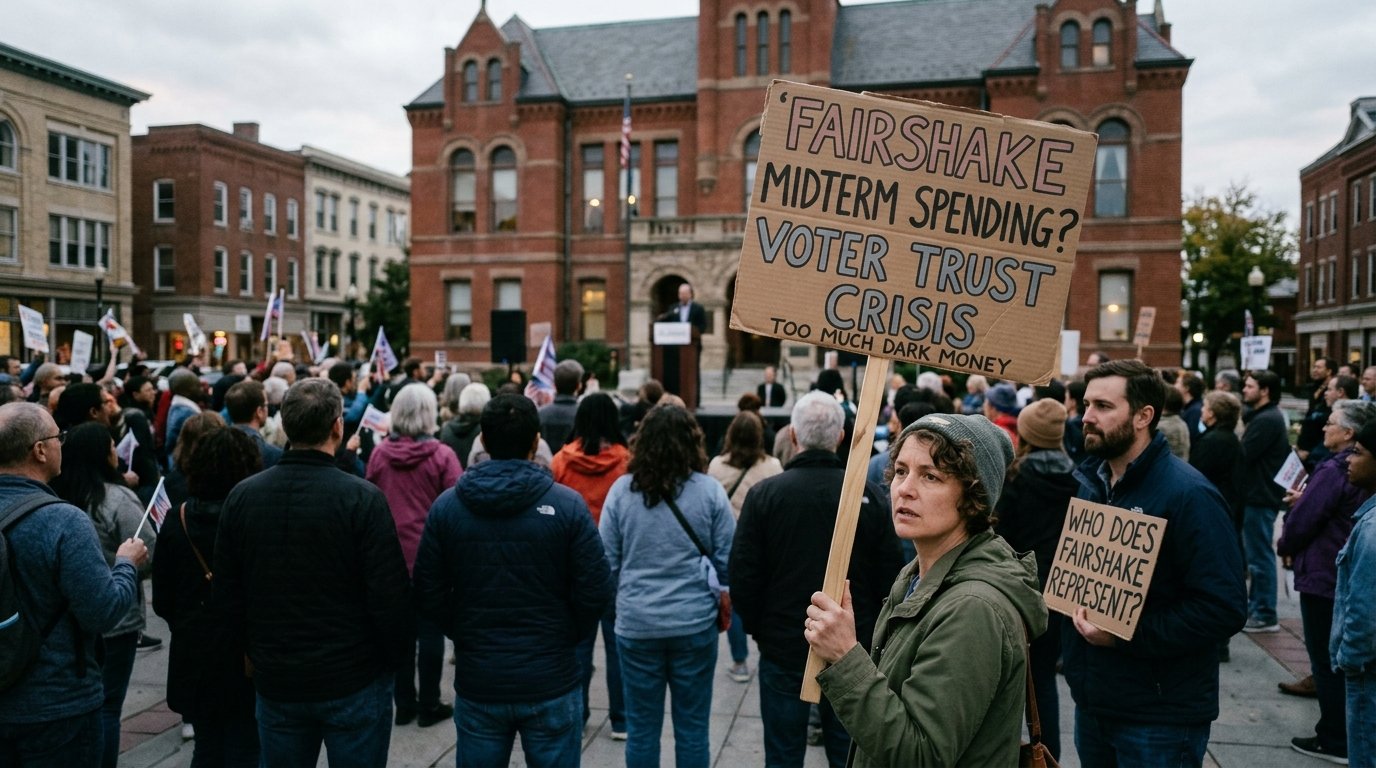
Crypto regulation remains one of the central issues driving Fairshake’s election strategy. Congress continues debating legislation related to stablecoins, securities law, decentralized finance, and digital asset exchanges. Therefore, both supporters and critics recognize that upcoming elections could reshape the regulatory environment for years.
Fairshake-backed candidates generally support clearer regulatory frameworks that encourage blockchain innovation while reducing uncertainty for crypto businesses. Industry leaders argue that inconsistent rules have already pushed some companies overseas. Consequently, they want Congress to establish predictable standards that allow the sector to grow responsibly.
However, opponents worry that crypto lobbying seeks weaker oversight rather than balanced regulation. They point to previous industry collapses and argue stronger protections are necessary before expanding digital finance. Additionally, some lawmakers remain skeptical about the broader economic value of cryptocurrency itself.
This conflict explains why campaign spending has intensified so dramatically. The stakes are enormous for both sides. If pro-crypto candidates gain influence in Congress, major legislation could accelerate industry growth. On the other hand, stronger anti-crypto sentiment could result in tighter restrictions and increased enforcement actions.
Because of that, Fairshake’s political strategy reflects more than simple election campaigning. It represents a broader fight over the future of financial technology and regulatory authority in the United States.
Critics Warn About Corporate Influence in Democracy
One of the loudest criticisms facing Fairshake involves the broader issue of money in politics. Many advocacy groups argue that unlimited spending by super PACs weakens democratic accountability and increases corporate influence over elected officials.
Critics say crypto-backed political advertising often floods local races with outside money that overwhelms grassroots campaigning. In some districts, voters may encounter massive ad campaigns without fully understanding who funds them or why. Consequently, concerns about transparency continue growing.
The criticism becomes even stronger when ads avoid direct references to cryptocurrency. Opponents claim this tactic prevents voters from understanding the real interests behind political messaging. Supporters counter that campaigns focus on broader policy themes relevant to everyday Americans.
Still, the controversy reflects a larger national debate about campaign finance reform. Americans across the political spectrum increasingly distrust powerful lobbying organizations and wealthy donors. Therefore, Fairshake’s visibility may intensify calls for stricter campaign finance laws in the future.
Political experts also warn that excessive spending can eventually backfire. If voters perceive candidates as controlled by special interests, public resentment may increase rather than decrease. That risk becomes especially dangerous during periods of economic uncertainty and declining institutional trust.
Can Fairshake Overcome the Trust Problem?
Fairshake’s biggest challenge may not involve fundraising or political organization. Instead, it involves public perception. Winning elections through advertising becomes more difficult when voters distrust the underlying industry behind the campaign spending.
The crypto sector faces a complicated reputation problem. While blockchain technology continues attracting investors and developers, many ordinary Americans remain cautious. They associate crypto with volatility, scams, and financial risk rather than innovation.
Therefore, Fairshake must convince voters that crypto policy affects broader economic opportunities rather than benefiting only wealthy investors and tech companies. Supporters argue blockchain innovation could create jobs, modernize payment systems, and strengthen American competitiveness. However, critics remain unconvinced.
The organization also faces increasing media scrutiny. Journalists, watchdog groups, and political analysts now closely monitor crypto-backed campaign spending. As awareness grows, Fairshake may encounter stronger public resistance in future races.
Nevertheless, the PAC still possesses enormous financial power and strategic influence. Its supporters believe long-term political engagement will eventually normalize cryptocurrency within mainstream policymaking. Whether voters accept that argument remains uncertain.
The Future of Crypto Politics in America
The rise of Fairshake signals a major transformation in American politics. Technology industries increasingly recognize the importance of political influence in shaping regulation and public policy. Consequently, election spending from emerging sectors like cryptocurrency will likely continue expanding.
Future campaigns may see even greater involvement from blockchain companies, artificial intelligence firms, and other technology-driven industries. This trend raises important questions about transparency, accountability, and democratic representation.
At the same time, voters appear increasingly skeptical of corporate influence in politics. Public frustration with wealthy donors and lobbying organizations continues growing across party lines. Therefore, political groups linked to controversial industries may face stronger resistance moving forward.
For the crypto industry, the stakes remain enormous. Legislative outcomes during the next few years could determine whether digital assets become fully integrated into the financial system or remain heavily restricted. That reality explains why organizations like Fairshake continue investing massive sums into congressional races despite public skepticism.
Ultimately, the battle surrounding Fairshake reflects a deeper national conversation about technology, regulation, money, and democracy itself.
Conclusion
Fairshake has become one of the most influential and controversial political organizations in the 2026 election cycle. While the crypto-backed super PAC continues defending its aggressive midterm spending strategy, voter trust in cryptocurrency remains deeply fragile.
The organization argues that supporting pro-innovation candidates protects America’s leadership in financial technology. However, critics believe the rise of crypto PACs represents a dangerous expansion of corporate influence over democratic institutions.
As election spending accelerates, the debate surrounding Fairshake will likely intensify. Public skepticism toward cryptocurrency, combined with growing concerns about campaign finance transparency, creates significant political risks for the industry. Yet the enormous financial resources behind Fairshake ensure that crypto politics will remain a major force throughout the midterm elections.
Whether voters ultimately embrace or reject crypto-backed political influence could shape the future of digital asset regulation for years to come.
FAQs
Q. What is Fairshake?
Fairshake is a pro-crypto super PAC that supports political candidates who favor cryptocurrency innovation and blockchain-friendly regulation in the United States.
Q. Why is Fairshake spending heavily in the midterms?
Fairshake believes upcoming elections will shape future crypto regulation. Therefore, it invests heavily in candidates who support digital asset policies and blockchain innovation.
Q. Why do many voters distrust cryptocurrency?
Many Americans remain skeptical because of crypto market crashes, scams, exchange failures, and concerns about weak consumer protections.
Q. Who funds Fairshake?
Major contributors reportedly include cryptocurrency companies, blockchain investors, venture capital firms, and prominent crypto executives.
Q. How could Fairshake influence future crypto regulation?
By supporting pro-crypto candidates in congressional races, Fairshake may help shape legislation involving stablecoins, blockchain oversight, and digital asset market rules.
Leave a Reply